Discussion of kratom today is largely dominated by powders, capsules, and extracts, and pre-made blends, however, at the base of it all is pure leaf kratom. The kratom plant is in the most basic form before any processing, grinding, or formulating occurs: raw leaves straight off the Mitragyna speciosa tree.
To a great number of kratom fans, the raw kratom leaf is a symbol of authenticity, tradition, and pure connection with the natural sources of the plant. However, even though it has attained a lot of popularity over recent years, a lot of individuals are unaware of what pure leaf kratom actually is, its difference to other types of it, its benefits, and the typical efficiency of natural raw dosage.
In this blog, we’ll go through what pure leaf kratom is, its potential benefits, why some individuals prefer the raw leaf experience, and what alternatives exist for those who want similar properties without using the whole leaf.
Whether you’re new to kratom or expanding your understanding of different forms, this article will give you a deep and structured look at the unprocessed version of this botanical.
What Is Pure Leaf Kratom?
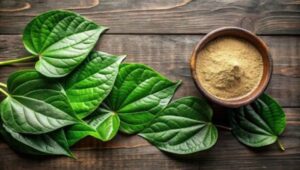
Pure leaf kratom is that which is the entire, not processed, leaf of the tree of Mitragyna speciosa. The harvesting of these leaves is done on the mature kratom trees commonly found in Southeast Asia, especially in Indonesia, Thailand, Malaysia, and Borneo.
There is no grinding, mixing, or refining of pure leaf kratom as it does when dealing with powders or extracts. There is nothing added or taken away.
Characteristics of Pure Kratom Leaves
Pure kratom leaves typically have:
- Thick, glossy green surfaces
- A fibrous texture
- Prominent veins ranging from green to white to red, each representing a different vein type
- A slightly bitter, herbal aroma
- Naturally occurring plant compounds
Because the leaves remain in their whole, raw form, they retain their full botanical composition without the alterations that come from drying methods, grinding, or extraction.
How Is Pure Leaf Kratom Harvested?
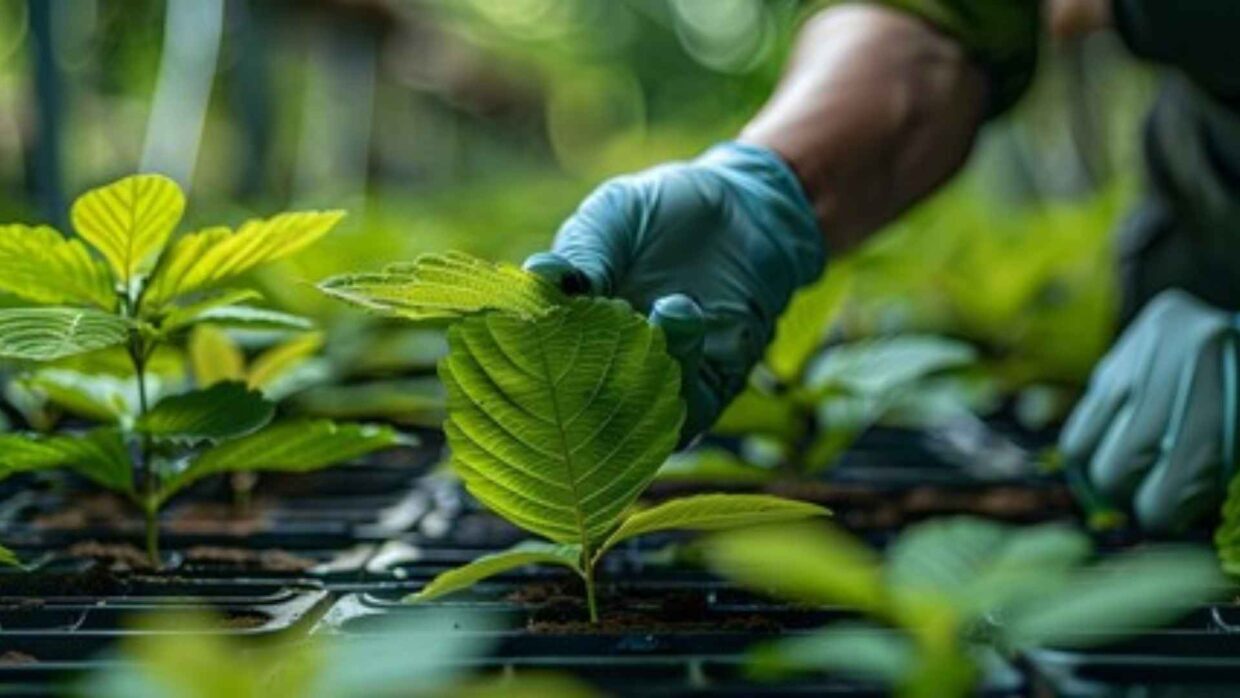
The harvesting process influences quality significantly. Skilled farmers:
- Select mature leaves from older trees
- Pick leaves during optimal growth months
- Dry them briefly in the shade or allow them to remain fresh
- Sort them by size, color, and condition
This minimal handling preserves the leaf just as it appears on the tree—clean, fresh, and unprocessed.
What Makes Pure Kratom Leaves Different?
Kratom is available in various forms—powders, capsules, gummies, tablets, tinctures, and teas—but pure leaf kratom holds a distinct place.
Here’s what makes it different:
1. No Mechanical Processing
Powdered kratom requires grinding machines. Extracts need extraction equipment. Capsules require encapsulation.
Pure leaf kratom requires none of these steps.
2. Closer to Traditional Use
Historically, kratom was chewed or brewed as tea in its whole-leaf form. Pure leaf kratom, therefore, provides a more traditional experience.
3. Naturally Balanced Composition
Because no compounds are concentrated, isolated, or removed, the plant remains chemically balanced as found in nature.
4. Gentler Introduction for Beginners
Some individuals prefer starting with pure leaf kratom because the raw form may be milder in certain applications compared to extracts or enhanced blends.
What Are the Benefits of Raw Kratom Leaf?
While we are careful not to make unsupported health claims, we can discuss the general advantages people associate with using raw kratom leaves. These benefits are related to the experience, authenticity, and versatility, rather than medical outcomes.
1. Traditional and Authentic Experience
Pure leaf kratom mirrors the way the plant has been used for centuries in Southeast Asia. Many users appreciate maintaining a connection to those roots.
2. Minimal Processing
Some individuals prefer botanicals in their most unaltered state. Raw kratom leaf appeals to people who value natural, whole-plant formats.
3. Customization for Recipes and Brews
Because the leaves are whole, they can be:
- Brewed into teas
- Steeped in infusions
- Added to botanical blends
- Used in traditional chewing methods
This versatility gives individuals more flexibility than capsules or standardized dosage forms.
4. Balanced Alkaloid Profile
Raw leaf preserves a naturally balanced composition rather than concentrating specific components.
5. Slower Experience Curve
Compared to extracts or enhanced products, raw leaves may offer a gentler introduction for new users who want a more natural entry point.
What Does Pure Leaf Kratom Taste and Smell Like?
Taste and aroma are important parts of the kratom experience.
Flavor Profile
Raw kratom leaves have a:
- Bitter
- Earthy
- Slightly astringent
- Herbal taste
This is due to the leaf’s natural compounds and thick plant fibers.
Aroma
The scent is often described as:
- Woodsy
- Grassy
- Botanical
- Slightly sweet, depending on the region
How to Use Pure Kratom Leaves
Raw kratom leaves can be consumed in a few different ways:
1. Kratom Tea
One of the most traditional methods involves simmering the leaves in hot water. This allows the botanical compounds to steep slowly.
2. Chewing Fresh or Hydrated Leaves
Historically, farmers chewed raw kratom leaves directly. Some people replicate this method by hydrating dried leaves before chewing.
3. Blending Into Smooth Herbal Mixtures
Some prefer mixing whole leaves with other botanicals to create custom blends.
4. Grinding Leaves at Home
If someone prefers powder but wants oversight of the processing steps, they can grind pure leaves using home grinders.
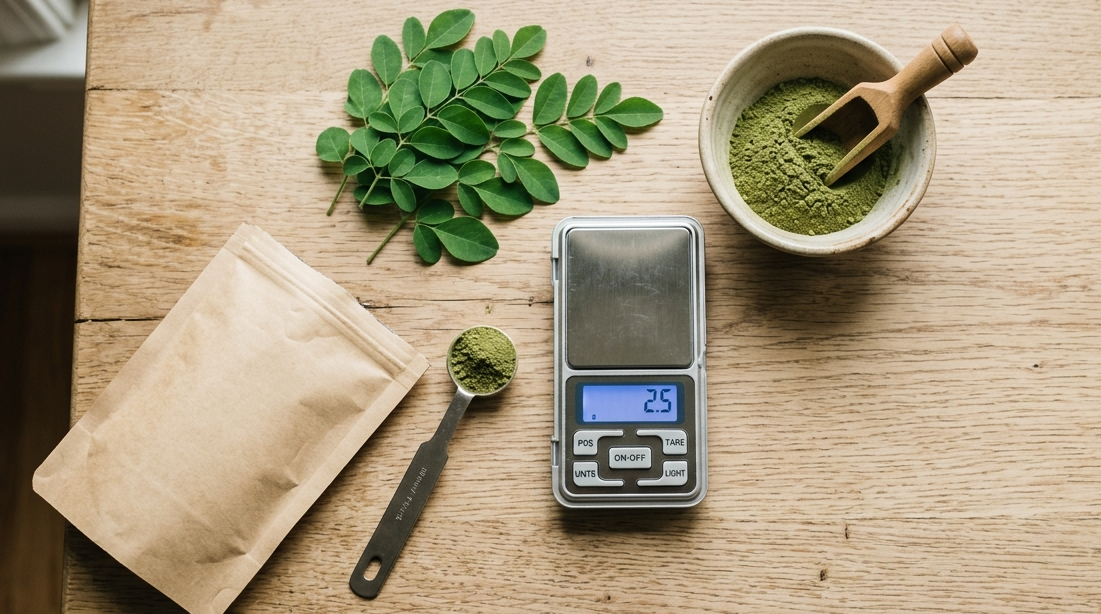
Natural Raw Dosage: What You Need to Know
Determining dosage for raw kratom leaves differs from powders, since whole leaves vary in:
- Weight
- Thickness
- Moisture content
- Vein type
While we do not provide specific dosage instructions (especially due to safety considerations), here’s what to understand about natural raw dosage:
1. Whole Leaves Weigh Less Than Powder
A cup of whole leaves weighs far less than a cup of ground powder due to air gaps and structure.
2. Raw Leaf Dosage Is Often Measured by Leaf Count
Some people measure by:
- Number of whole leaves
- Volume (handfuls)
- Brew strength
3. Brewing Affects Potency
Tea brewed with whole leaves is naturally lighter than concentrated extracts or powders.
4. Beginners Often Start Moderately
People who are new to raw kratom tend to begin with lighter preparations and adjust gradually.
5. Leaf Strength Depends on Vein Type
- Red vein leaves may feel different from green or white leaves
- Sun-dried vs. shade-dried leaves also vary
Pure Kratom Leaves vs. Powder: What’s the Difference?
Although both come from the same plant, the form changes the user experience.
1. Texture
- Pure Leaf: Fibrous, coarse
- Powder: Fine and easy to mix
2. Preparation
- Leaf: Steeping, chewing, or grinding
- Powder: Mixing, tossing, brewing
3. Experience
Many people report that fresh or raw leaves feel more natural, while powders feel more intensified due to increased surface area.
4. Shelf Life
Whole leaves may store better due to less exposure to air through grinding.
5. Customization
Raw leaves give more freedom for brewing and herbal combinations.
Where Does Pure Leaf Kratom Come From?
Geographical Origins
Most pure kratom leaves are sourced from:
- Indonesia
- Malaysia
- Borneo
- Papua
- Thailand
These regions have humid, tropical climates ideal for growing kratom trees.
Sustainability
Responsible growers:
- Harvest mature leaves only
- Avoid stripping branches bare
- Maintain ethical farming practices
- Support reforestation and biodiversity
When sourcing pure leaf kratom, sustainability and regional expertise matter.
What Are Pure Kratom Leaf Alternatives?
Not everyone prefers whole leaves. Fortunately, several alternatives offer similar properties:
1. Kratom Powder
This is the most common alternative. Kratom powder is created by grinding dried leaves, making it easier to mix or measure.
2. Kratom Capsules
Kratom capsules contain pre-measured powder, offering convenience and portability.
3. Kratom Tea Bags
These combine the simplicity of tea bags with kratom’s natural properties.
4. Kratom Tablets
Compressed powder formed into kratom tablets, offering a standardized serving.
5. Kratom Extracts (Mild to Potent)
Extracts concentrate natural compounds, providing various strength levels for advanced users.
Each alternative provides its own unique advantages depending on preference, convenience, and experience level.
Raw Kratom Leaves vs. Kratom Tea vs. Extracts
Understanding the differences can help you choose what’s right for your preferences.
Raw Leaves
- Traditional
- Less processed
- Hand-prepared
- Mild to moderate experience
Kratom Tea
- Flavorful
- Brew strength adjustable
- Good for slow sipping
Extracts
- Stronger
- Highly processed
- Designed for advanced enthusiasts
Each form has a distinct cultural and functional role.
What Are the Benefits of Raw Kratom Leaf Alternatives?
Individuals who avoid raw leaf formats often do so because:
1. Alternatives Are Easier to Measure
Pre-ground powder or capsules provide consistent serving sizes.
2. Less Preparation Time
No brewing, chewing, or leaf processing required.
3. Reduced Flavor Intensity
Capsules and tablets minimize the bitter taste.
4. Wider Availability
Powders and capsules are more commonly stocked by vendors.
How to Store Pure Kratom Leaves Properly
To preserve quality, store leaves in:
- Airtight containers
- Cool, dark cabinets
- Dry environments
Keep leaves away from:
- Direct sunlight
- Humidity
- Heat sources
Proper storage helps maintain texture, aroma, and freshness.
How to Choose High-Quality Pure Leaf Kratom
When shopping for whole leaves, consider:
1. Source Transparency
Look for vendors who disclose:
- Country of origin
- Farming methods
- Harvest season
2. Washing and Drying Methods
Shade-dried leaves often retain more natural properties.
3. Leaf Condition
Avoid leaves that appear:
- Moldy
- Brittle
- Faded
4. Vendor Reputation
Customer reviews and established businesses provide more reliability.
Why Some People Prefer Pure Leaf Kratom
Many enthusiasts choose raw leaves because they:
- Enjoy traditional preparation
- Prefer less processed forms
- Value whole-plant authenticity
- Appreciate slower-release experiences
Pure leaf kratom can feel more grounding and connected to nature.
Final Thoughts
Kratom pure leaf brings the users to the roots of this centuries-old botanical. The kratom leaf in its entire, untouched form is very authentic, traditional, and versatile, which cannot be easily imitated by processed forms. Whereas it might be more difficult to prepare raw kratom leaves, be it through brewing tea, making infusions, or chewing, the whole experience has a strong heritage and natural philosophy.
This guide has discussed what pure leaf kratom is, how raw dosage functions, the way it has been used traditionally, the advantages of using it as a natural whole plant choice, and what are the alternatives to those who would require more convenient forms. You may prefer the fresh leaves as they are, or you may take the powders, capsules, or teas, but by knowing the original form of kratom, all the botanical information and interest will be enhanced.
More Resources
Affinity Kratom Review: A Deep Dive