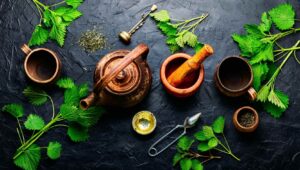
In case you go to botanical social places, kava bars, and kratom bars are the ones that have been mentioned as developing to replace the slightly less trendy alcohol-centered establishments. These bars serve the fanatics of either kava or kratom, which are unique botanicals commonly praised as possessing unique effects and social culture. However, what is the difference between a kava bar and a kratom bar?
In this blog, the differences are unpacked, the experience of kava is explored, tips on how to make kava tastier are provided, the location of kava bars is explained, and why they are considered alternatives to alcohol is discussed.
What Is a Kava Bar?
A kava bar is a social establishment that specializes in serving drinks based on kava, often rooted in the cultural traditions of the Pacific Islands, where kava has been consumed for centuries. Contrary to the standard bars that sell alcoholic drinks, kava bars are also specialized in botanical drinks made out of Piper methysticum root, which are made in earthy, occasionally spicy, slightly tranquilizing drinks.
Kava bars have become very popular in the US, especially in Florida, California, and North Carolina. The atmosphere in these bars is relaxed and friendly, as it suggests the island ambience with some background music, organic decor, and community-based social areas.
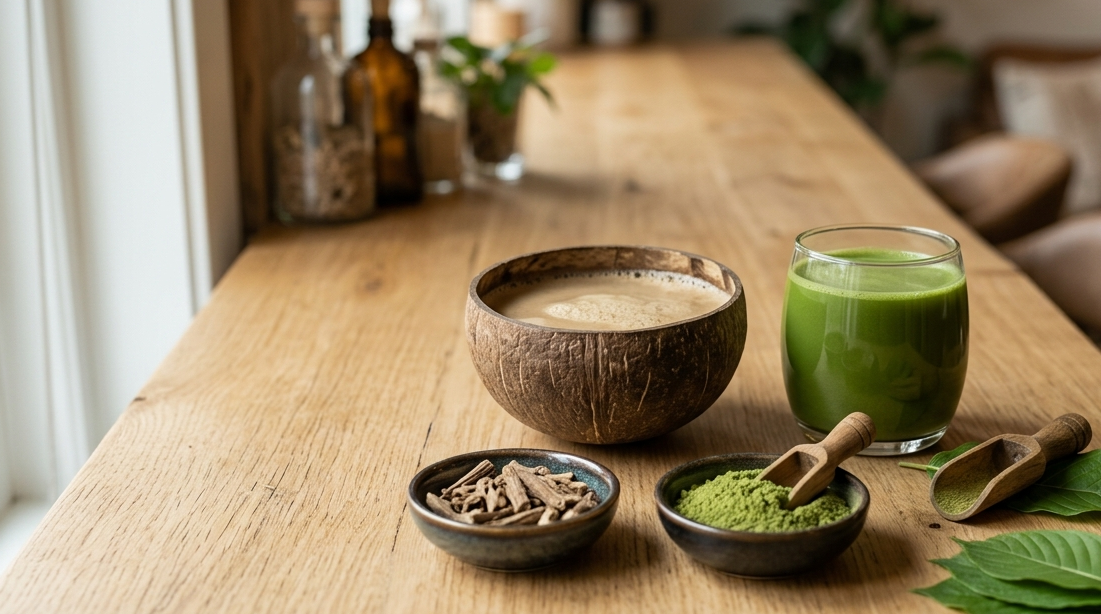
The kava tea or kava drink in the form of mocktails is the best seller in the kava bars, and they are typically served in coconut bowls or in fancy glassware, which is equally calming and social but not intoxicating like alcohol.
What Is a Kratom Bar?
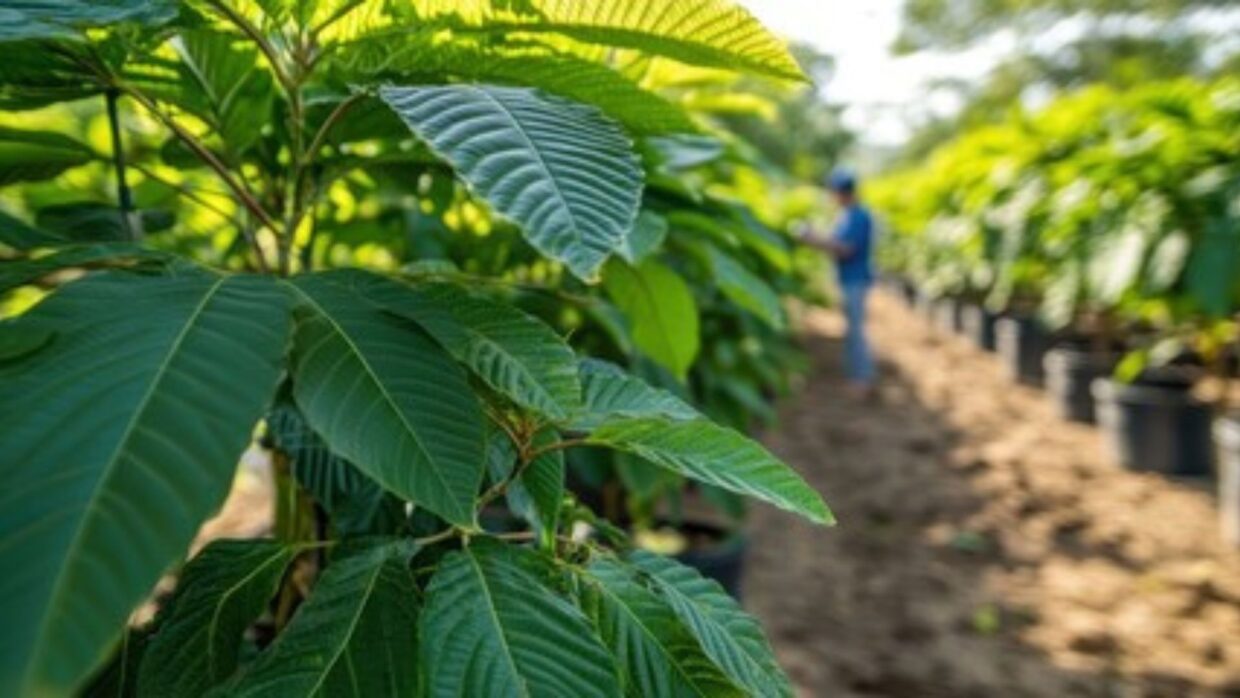
In contrast, kratom bars specialize in kratom-related products made of the Mitragyna speciosa native tree in Southeast Asia. Kratom bars are usually similar to kava bars in the botanical beverage industry, occasionally selling both kava and kratom beverages.
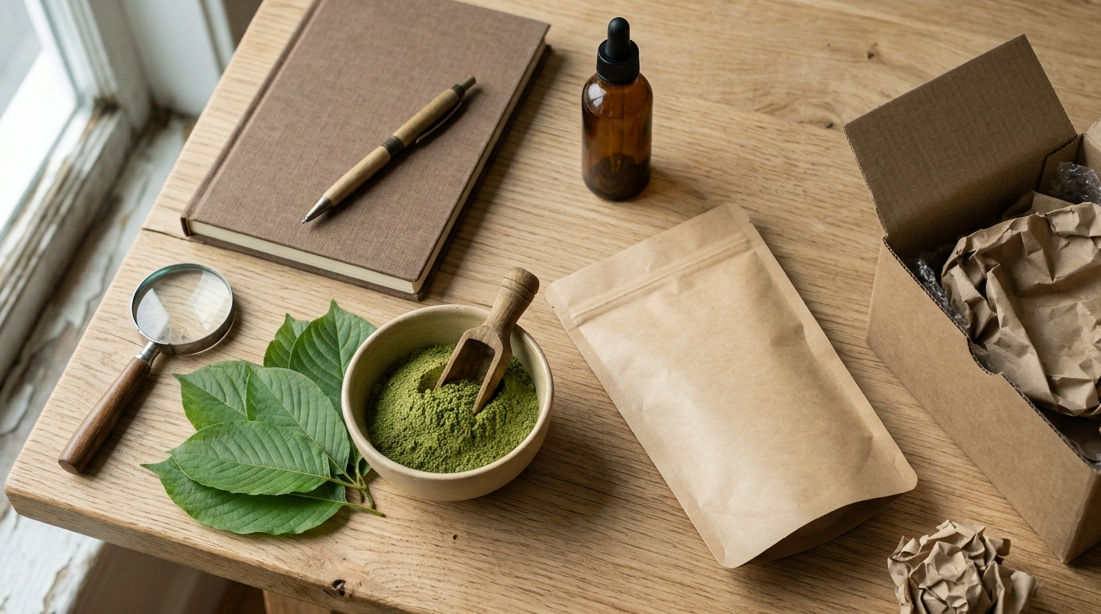
Kratom is usually taken in the form of powders, capsules, and brewed teas, the effects of which are said to be stimulating or relaxing depending on strain and dosage.
Kratom bars serve clients who prefer to avoid alcohol or pharmaceuticals, and their menus and the atmosphere can vary as compared to kava bars, frequently include more contemporary or even medical-themed elements.
Kava vs Kratom Bar: Key Differences
| Feature | Kava Bar | Kratom Bar |
| Main Ingredient | Kava root (Piper methysticum) | Kratom leaves (Mitragyna speciosa) |
| Typical Experience | Relaxing, calming, social ease | Varies by strain: calming or stimulating |
| Flavor Profile | Earthy, peppery, sometimes bitter | Bitter, earthy |
| Beverage Styles | Kava tea, kava mocktails | Kratom tea, kratom shots, tinctures |
| Legal Status | Legal in all US states | Legal in many states, with some restrictions |
| Alcohol Alternative | Yes, a popular non-alcoholic social drink | Sometimes, but less common than kava bars |
| Culture Origin | Pacific Islands | Southeast Asia |
The Kava Experience
Kava offers a unique sensory experience that many users find appealing. The taste is earthy, often described as peppery or mildly bitter, reminiscent of traditional tonic beverages.
First sips bring a distinct tingly or numbing sensation in the mouth, followed by a gentle sense of calm and social connectedness. People often report feeling more relaxed but clear-headed, making kava bars great venues for conversation, creative exploration, and unwinding after a busy day.
How to Make Kava Taste Better
One challenge with kava is its naturally strong taste, which can be off-putting to newcomers. Here are ways to enhance kava’s flavor:
- Mix with Fruit Juices: Citrus juices like pineapple or mango can balance bitterness.
- Add Natural Sweeteners: Honey or agave syrup helps to smooth out earthy notes.
- Use Flavored Kava Blends: Some bars offer blends infused with herbs or spices.
- Chill Before Drinking: Cold kava tea can be more refreshing and less intense.
- Pair with Light Snacks: Eating while drinking can help manage taste and mouthfeel.
These techniques make kava more approachable, especially for those new to botanical drinks.
Where to Find a Kava Bar
Kava bars are spreading rapidly in many regions. To locate one nearby:
- Search online with keywords like “kava bar near me,” “kava lounge,” or “kava tea bar.”
- Use review platforms such as Yelp or Google Maps to check authenticity and ambiance.
- Some cities have multiple options with different vibes—from beach-themed lounges to urban café hybrids.
- Explore botanical and wellness event listings, as pop-up kava bars appear in festivals and markets.
States such as Florida (dubbed the “Kava Capital of the U.S.”), California, and North Carolina feature particularly vibrant kava communities.
Kava Bar as an Alcohol Alternative
One of the major appeals of kava bars is their role as a non-alcoholic social space. For people seeking alternatives to traditional bars, kava bars offer:
- Relaxation Without Intoxication: Kava provides social ease and calmness without impairing cognition.
- Fewer Side Effects: No hangovers or alcohol-related health risks.
- Community and Culture: Kava bars emphasize social connection and calming traditions rather than intoxication.
- Inclusivity: Welcoming atmosphere suitable for all ages and lifestyles.
This shift toward botanical bars reflects wider wellness and mindful consumption trends.
What to Expect at a Kava Bar
Upon entering a kava bar, expect a peaceful, friendly atmosphere. The décor might feature natural wood, island art, or cozy lounges.
Menus typically list various kava preparations—from traditional bowls to creative botanical fusions with CBD, kratom, or mushrooms. Staff are often knowledgeable, eager to guide newcomers through tasting options and usage tips.
Social events like open mic nights, community talks, and workshops on kava culture are common. Unlike the noisy environment of typical bars, kava bars offer calm and conviviality.
Why Visit a Kratom Bar?
Kratom bars provide a similar alternative to alcohol venues but cater primarily to kratom enthusiasts. Kratom bars might offer different strains brewed into teas or provided as shots with various potencies and flavors. Some bars also have kratom in capsule or tincture form, enhancing user convenience.
Social ambiance may differ, reflecting kratom’s dual reputation for stimulation and calmness. Some kratom bars integrate wellness offerings like CBD or herbal drinks, while others maintain a more medicinal focus.
Legal restrictions in some regions affect kratom bar prevalence, making kava bars more widespread overall.
Final Thoughts
While both types of bars share the goal of offering natural, botanical alternatives to alcohol, the kava bar emphasizes social relaxation and cultural heritage from the South Pacific, serving earthy, calming kava drinks in a welcoming, peaceful environment.
On the other hand, kratom bars cater to users of Southeast Asian kratom, offering stimulant or calming botanical experiences with a slightly different cultural and taste profile.
If looking for a non-alcoholic venue to socialize with botanical drinks, kava bars likely offer a more approachable and communal atmosphere, while kratom bars present a niche experience for those specifically interested in kratom’s distinctive effects.
More Resources
Affinity Kratom Review: A Deep Dive